
Understanding fatigue, muscle endurance and their underlying mechanisms across ageing
Fatigue and a reduced ability to sustain physical effort are common experiences as people grow older. These changes can affect everyday activities and may eventually contribute to declines in physical functioning and independence. Importantly, changes in fatigue and muscle endurance may already emerge before limitations in daily functioning become apparent, creating an important window for earlier identification and intervention.
Ageing is accompanied by changes across multiple physiological systems, including the immune and neuromuscular systems. Chronic low-grade inflammation has been associated with declining muscle strength and increasing fatigue. Moreover, self-perceived fatigue and muscle endurance – how fatigued someone feels versus how well their muscles can sustain effort – represent related but distinct aspects of physical resilience. Yet, how underlying physiological changes contribute to the trajectories of fatigue and muscle endurance across ageing remains insufficiently understood.
The FatigueTrack PhD project investigates how muscle endurance and self-perceived fatigue change across ageing and how these changes relate to underlying inflammatory and neuromuscular processes. By combining data from large ageing cohorts with innovative neuromuscular assessments, the project aims to better understand why some individuals experience declining muscle endurance and increasing fatigue as they age.
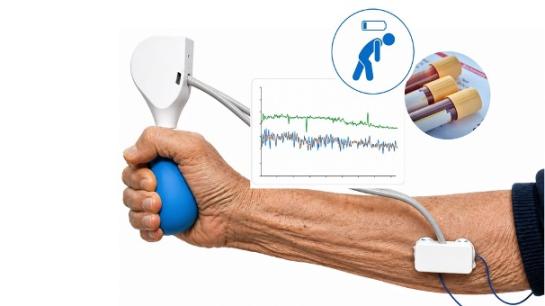
A key innovation of FatigueTrack is the integration of objective muscle performance, neuromuscular activity, inflammation, and self-perceived fatigue within a single research framework. By studying these factors across different stages of adulthood and over time, the project seeks to uncover changes that may occur before more apparent losses in physical functioning become evident.
Ultimately, FatigueTrack aims to contribute to a more personalized approach to healthy ageing. Understanding when and why muscle endurance and fatigue begin to change may help identify individuals at risk earlier and provide a foundation for more targeted strategies to preserve physical resilience, functional ability, and independence throughout ageing.
This PhD project is supported through an AAP Mandate at Vrije Universiteit Brussel (VUB) – (Francis Louter)
Promotor: Prof. Ivan Bautmans (VUB, FRIA)
Co-promotor: Prof. Annelies Pool-Goudzwaard (Vrije Universiteit Amsterdam, SOMT University).